
Planning a church retreat takes more than selecting a date, reserving a venue, and building an agenda. The details that shape meaningful conversations, encourage spiritual growth, and give people space to connect with God often receive less attention than the logistics.
The strongest church retreat planning tips focus on more than schedules and budgets. They also consider the environment, accommodations, shared experiences, and opportunities for fellowship that turn a weekend away into a memorable ministry event.
In this guide, we’ll cover:
- Choosing a venue that supports your retreat’s purpose
- Selecting comfortable lodging for your group
- Planning meals that encourage fellowship
- Including recreation that strengthens relationships
- Leaving room for rest and reflection
- Review travel times
- Asking the right questions before booking a retreat venue
1. Start with a Venue That Supports Your Ministry Goals
Every church retreat begins with a purpose. Whether your group is gathering for discipleship, leadership development, prayer, or fellowship, the venue should reinforce those goals rather than compete with them.
A busy hotel or crowded event space makes it difficult for attendees to disconnect from everyday responsibilities. A peaceful retreat setting encourages people to slow down, participate fully, and focus on the relationships and conversations that matter most.
Natural surroundings also create opportunities for quiet reflection between scheduled sessions. Walking trails, outdoor gathering spaces, and wooded scenery offer a change of pace that supports personal reflection and group discussion.
When evaluating locations, look beyond meeting rooms and sleeping accommodations. Consider whether the environment itself encourages your group to step away from daily distractions and spend intentional time together.
2. Choose Lodging That Helps Everyone Feel Comfortable
Comfort influences how people experience a retreat. Well-maintained accommodations allow attendees to rest, recharge, and remain engaged throughout the weekend.
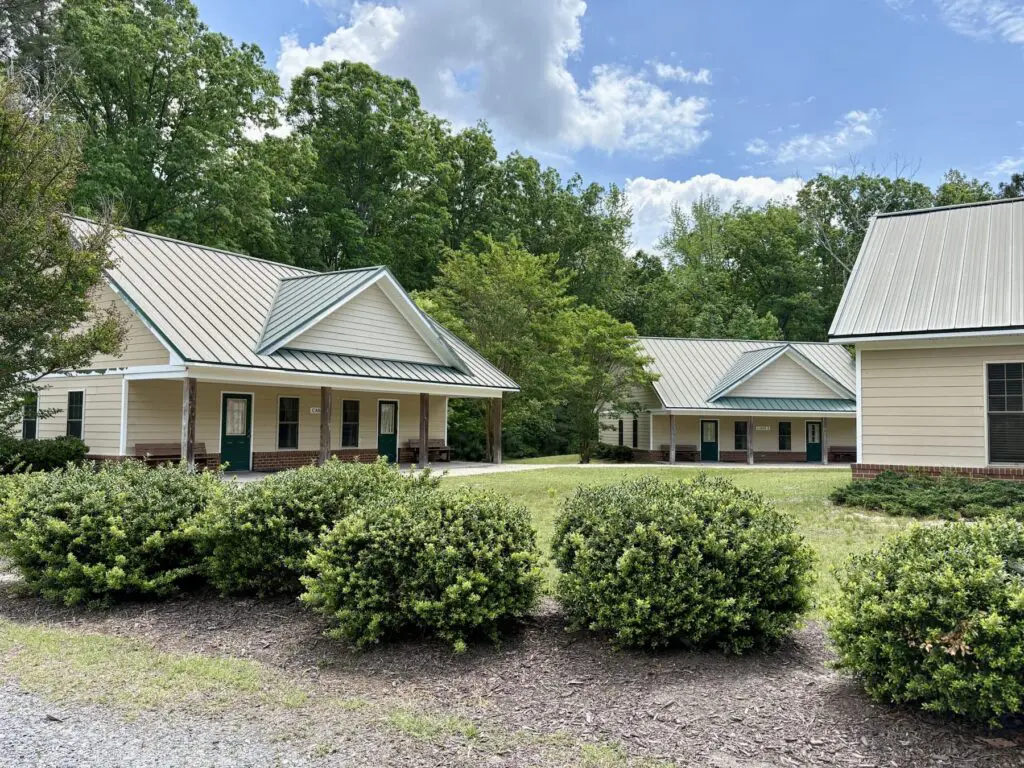
Every group has its own lodging needs. Adult leadership retreats may prefer hotel-style rooms, while youth groups often appreciate bunk-style lodging that encourages camaraderie and shared experiences.
It’s also worth considering how your group’s size affects accommodations. A retreat center with multiple lodging options offers greater flexibility as attendance numbers change during the planning process.
Comfort isn’t about luxury. It’s about providing clean, welcoming spaces where participants feel rested and ready to engage in worship, learning, and fellowship.
3. Don’t Overlook Meals and Fellowship Time
Some of the most meaningful conversations during a church retreat happen around the table. Shared meals provide natural opportunities for people to build relationships, welcome new attendees, and continue discussions that begin during teaching sessions.
Planning meals in advance also removes one of the largest logistical responsibilities from retreat organizers. Instead of coordinating restaurants, grocery shopping, or volunteer meal preparation, leaders can stay focused on the purpose of the retreat. However, you may want to use our kitchen facilities to cook your own meals and snacks or visit area restaurants for your meals.
As you compare retreat venues, ask about available dining options and how meals are served. A dining space that accommodates your entire group creates opportunities for fellowship throughout the retreat.
4. Include Recreation That Builds Relationships
Recreation isn’t separate from the retreat experience. Shared activities strengthen relationships beyond the limits of formal sessions.
You have a choice between guided activities, outdoor games, hayrides, and experiences, like a zip line, to encourage conversation, teamwork, and memorable moments across different age groups. You can also create your own recreational activities to do at WCRC. No matter what you choose, activities provide a natural balance between scheduled teaching sessions and free time.
Not every participant will engage in every activity and that’s okay. Offering a variety of recreation options allows individuals and families to participate in ways that fit their interests while continuing to build connections with others.

5. Make Sure Your Schedule Has Room to Breathe
It’s tempting to fill every hour with worship, teaching, small groups, and activities. While a well-planned schedule keeps the retreat organized, too much structure leaves little room for personal reflection or spontaneous conversations.
Build time into the schedule for attendees to walk the grounds, pray, or simply spend time together. Those quieter moments become some of the most meaningful parts of a church retreat.
Allowing flexibility also reduces stress for retreat leaders. If a discussion runs longer than expected or participants need extra time to connect, the schedule accommodates those moments without feeling rushed.
6. Consider Accessibility and Travel Time
Travel affects the retreat experience before the first session begins. A convenient location makes it easier for participants to attend and helps everyone arrive ready to engage rather than exhausted from a long trip.
As you compare retreat venues, think about drive time, parking, and overall accessibility for your group. A location that’s easy to reach encourages participation and simplifies planning for families, volunteers, and church leaders.
It’s also worth considering how attendees will move around the property once they arrive. Comfortable walking paths, nearby meeting spaces, and thoughtfully arranged facilities make the weekend more enjoyable for everyone.

7. Work with a Retreat Center That Offers Flexible Options
No two church retreats look exactly the same. Some groups focus on leadership development, while others prioritize family fellowship, youth ministry, or spiritual renewal.
A retreat center that offers flexible lodging, dining, recreation, and meeting space options gives organizers the freedom to plan an event that fits their goals. Rather than adapting your retreat to the venue, you select the options that best support your group.
Working with an experienced retreat center staff also makes planning more manageable. Their familiarity with hosting church groups allows them to answer questions, coordinate logistics, and provide guidance throughout the planning process.