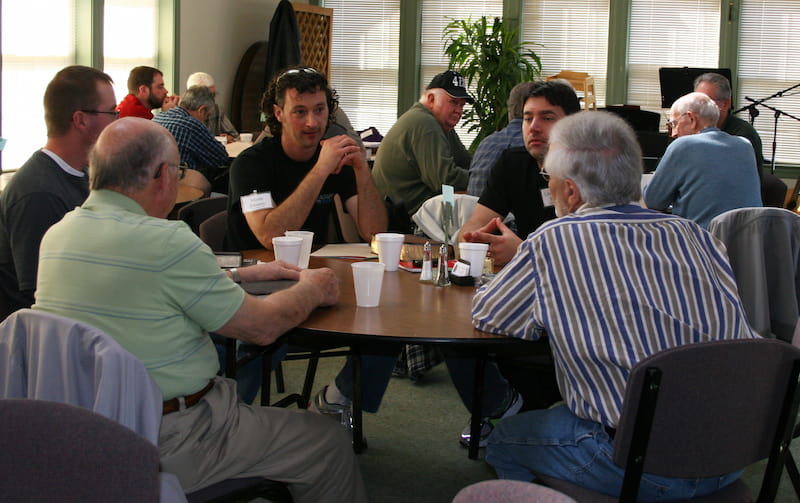
Planning a church retreat takes more than choosing a date and reserving lodging. A thoughtful plan creates space for fellowship, spiritual growth, and meaningful conversations. Here is a guide to help you in planning a retreat from the first idea through arrival day.
Learning how to plan a church retreat starts with clear goals, organized details, and the right location. Every decision shapes your group’s experience, so a strong plan keeps everyone focused while reducing stress for the planning team.
Table of Contents
- Clarify the Purpose of Your Retreat
- Identify Your Target Audience
- Getting Support and Putting Together a Plan
- Create a Spreadsheet That Will Be Your Master Roadmap for All Things Retreat
- Planning Your Retreat 102: Scheduling
- Planning Your Retreat 103: Adding an Activity
- Planning Your Retreat 104: Recreation Opportunities
- Planning Your Retreat 105: Point of Contact
- Planning Your Retreat 106: Enjoying the Retreat
- Frequently Asked Questions
Clarify the Purpose of Your Retreat
Every successful retreat begins with a purpose. Before selecting dates or comparing locations, answer one important question: What are your goals and/or intended outcomes for this retreat?
Your answer guides every planning decision. It influences your schedule, speaker selection, activities, budget, and location.
Church retreats serve many purposes. Some groups focus on spiritual renewal, while others strengthen relationships or develop leadership skills. Youth ministries may encourage discipleship, while women’s or men’s ministries may emphasize encouragement and fellowship.
When you clarify the purpose of your retreat, every detail supports the experience you want your guests to enjoy. A clear purpose also helps participants understand what to expect before they arrive.
Identify Your Target Audience
After you define your retreat’s purpose, focus on the people you plan to serve. Identify your retreat purpose and target audience before making decisions about lodging, activities, and your schedule.
Every audience brings different needs and expectations. A youth retreat requires a different approach than a women’s retreat, men’s retreat, marriage retreat, or leadership retreat.
Consider your group’s size, age range, and physical abilities. Think about sleeping arrangements, meal preferences, accessibility needs, and opportunities for fellowship. Those details help you create a comfortable experience for every guest.
Choose a retreat center that supports your group with flexible lodging, meeting spaces, dining services, and recreation. Multiple options make it easier to match your plans to your audience.
If your church welcomes first-time retreat attendees, include activities that encourage conversation and connection. Shared experiences help guests build relationships while creating a welcoming atmosphere.
Getting Support and Putting Together a Plan
Retreat planning works best when several people share responsibilities. Getting support and putting together a plan keeps one person from carrying every task.
Invite trusted volunteers to oversee different areas. One person can coordinate registration, while another manages communication. Someone else can organize worship, speakers, or recreation.
Regular communication keeps everyone moving toward the same goal. Short planning meetings help your team solve problems before they affect the retreat.
Assign clear responsibilities with deadlines. Everyone understands expectations, and nothing slips through the cracks.
Create a Spreadsheet That Will Be Your Master Roadmap for All Things Retreat
Organization saves time throughout the planning process. Create a spreadsheet that will be your master roadmap for all things retreat.
Your spreadsheet should include registration numbers, payment deadlines, lodging assignments, meal requests, transportation details, emergency contacts, and volunteer responsibilities.
Add important reservation dates and confirmation numbers. Keep every planning detail in one location so your team can find information quickly.
Update the spreadsheet as plans change. A current document helps everyone stay informed while reducing confusion before the retreat.
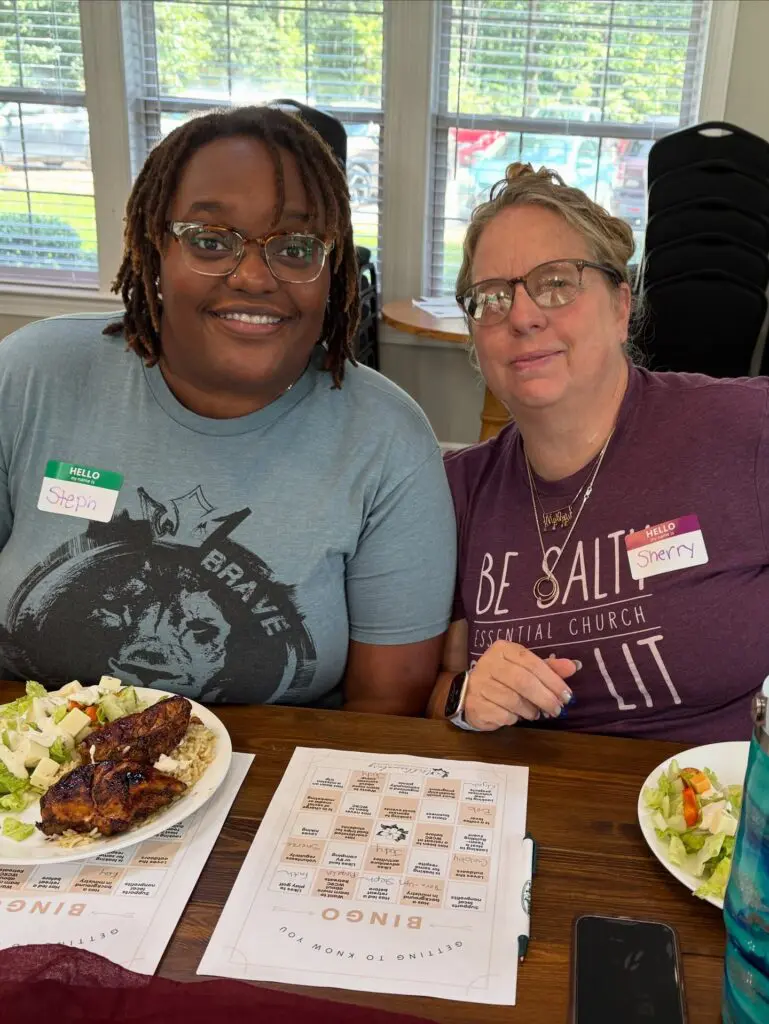
Planning Your Retreat 102: Scheduling
Your retreat schedule shapes the entire experience. A balanced schedule keeps participants engaged without making the weekend feel rushed.
Start with your worship sessions, Bible studies, or keynote speakers. Build the remaining schedule around those priorities.
Leave room for conversation and personal reflection. Participants appreciate time to connect with one another between scheduled events.
Include meal times, recreation, and breaks throughout the day. Those moments encourage fellowship while giving guests time to recharge.
Avoid scheduling every minute. Free time creates opportunities for meaningful conversations that many guests remember long after the retreat ends.
Before publishing the schedule, review each day from beginning to end. Small adjustments improve the pace and help everyone enjoy the experience.
Planning Your Retreat 103: Adding an Activity
Activities bring people together outside scheduled sessions. They create shared memories while strengthening relationships within your group.
Choose activities that match your retreat’s purpose. Recreation should support the overall experience instead of distracting from it.
Many churches enjoy guided experiences because they encourage teamwork while reducing planning responsibilities. Others prefer self-directed recreation that allows guests to participate at their own pace.
When reviewing your options, think about your audience. Youth groups may enjoy adventure experiences, while adult groups may appreciate relaxed activities that encourage conversation.
Williamsburg Christian Retreat Center provides several guided activity offers that fit different ages and group sizes. Those experiences give retreat planners another way to encourage connection throughout the weekend.
Planning Your Retreat 104: Recreation Opportunities
Recreation adds energy and balance to your retreat. It also gives guests another way to connect outside meeting sessions.
Choose activities that fit your group’s interests and abilities. A variety of choices encourages more people to participate throughout the weekend.
Williamsburg Christian Retreat Center offers recreation for every age. Your group can enjoy basketball, volleyball, disc golf, hiking trails, a playground, seasonal swimming, and open spaces for games and fellowship.
Groups looking for a shared experience can reserve Guided Activities. Popular choices include the Zip Line, Super Swing, Tree Climb, hayrides, and team-building experiences.
Recreation should support your retreat’s purpose. Select activities that encourage fellowship while leaving participants refreshed for the next session.
Remember to build recreation into your retreat schedule. A balanced schedule creates opportunities for both spiritual growth and meaningful relationships.
Planning Your Retreat 105: Point of Contact
Every retreat needs one person to manage communication. Choose a primary point of contact before registration begins.
Your point of contact answers questions, shares updates, and communicates with the retreat center. One person handling those details prevents confusion and keeps information consistent.
Share the contact person’s email address and phone number with participants. Encourage guests to direct questions through that individual instead of multiple volunteers.
The point of contact should also track registration numbers, lodging requests, dietary needs, and special accommodations. Keeping those details together simplifies planning as your retreat date approaches.
Before arrival, confirm final attendance numbers and communicate any last-minute changes. Clear communication helps everyone start the retreat with confidence.

Planning Your Retreat 106: Enjoying the Retreat
After months of planning, give yourself permission to enjoy the retreat. Trust your preparation and allow your team to handle assigned responsibilities.
Avoid spending the weekend solving every small problem. Your volunteers can answer questions and manage routine tasks while you focus on your group.
Take time to participate in worship, conversations, and activities. Your presence encourages others and helps create the welcoming atmosphere you planned.
Remain flexible if the schedule changes. Unexpected moments sometimes become the most meaningful part of a retreat.
At the end of the weekend, thank your volunteers and participants. Their investment creates an experience that strengthens relationships and encourages spiritual growth.
A successful retreat doesn’t end when everyone leaves. Continue the conversations, celebrate what God accomplished, and begin thinking about your next opportunity to gather together.
Whether your church plans a youth retreat, women’s retreat, men’s retreat, leadership retreat, or family weekend, a thoughtful plan helps prepare for a successful retreat. Choosing a retreat center with comfortable lodging, great food, recreation, and experienced staff allows your planning team to focus on people instead of logistics.
When your church begins getting support and putting together a plan, Williamsburg Christian Retreat Center offers peaceful surroundings, flexible lodging, recreation, guided activities, and dedicated meeting spaces that support groups from 10 to 150 guests.
Explore our Retreat Types, Rates, Lodging, and Sample Schedules to begin planning your next retreat.
Frequently Asked Questions
How far in advance should I start planning?
Start planning as early as possible. Many churches begin six to twelve months before their preferred dates, especially for spring and fall retreats. Early planning gives your group more choices for lodging, meeting space, and activities.
What should be included in my retreat budget?
Your budget should include lodging, meals, meeting space, transportation, activities, speaker expenses, supplies, and a small contingency for unexpected costs. Recording each expense in one document keeps your planning organized from start to finish.
How do I choose the best location?
Choose a location that supports your retreat’s purpose and meets your group’s needs. Look for comfortable lodging, quality dining, recreation, meeting space, and a peaceful setting that allows participants to step away from daily distractions and focus on building relationships with God and one another.
What is the typical cost of a retreat?
Retreat costs vary based on the length of your stay, lodging selection, meals, and activities. Review the retreat center’s rates before setting your budget, and communicate those costs clearly with participants during registration.
What are common retreat activities?
Many churches include worship sessions, Bible studies, small-group discussions, prayer, fellowship, and recreation. Williamsburg Christian Retreat Center also offers guided activities, including the zipline, Super Swing, tree climb, hayrides, seasonal swimming, and team-building experiences. Guests can also enjoy outdoor recreation such as sports courts, disc golf, and miles of hiking trails—all providing opportunities for fellowship, fun, and lasting memories.